

Trendscendence*
Seeking trendscendence for the end of the world: a brief wellness check on trend work, trend talk in fashion, and why we should replace the use of 'aesthetic', especially with the hard 't'.

*(working) Trendscendence (n.) — trend work that pursues era-defining originality over cycle relevance.
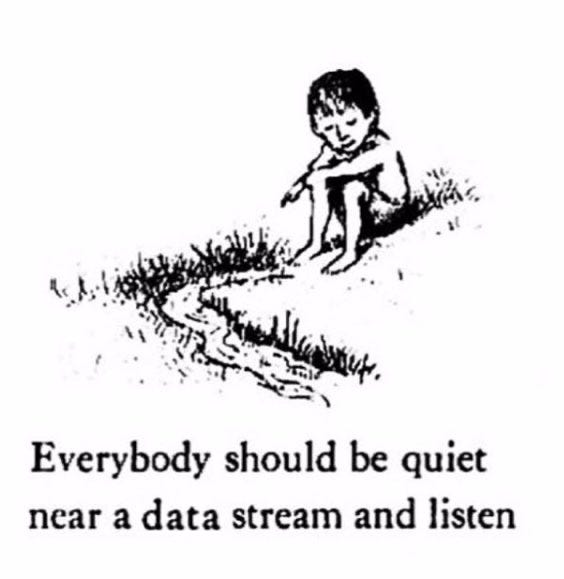
I went to a founder talk last night and an investor casually shared how she ends most of her evenings with a glass of wine and “prompts around to find out” on Midjourney. Find out what, was not quite clear, and while I was not surprised, it left me feeling a bit defeated. Apologies for the moody tenor of this newsletter, but I sense I am not alone in this.
I’m testing out some previous (and new!) formats of writing as I navigate my commitment to Substack online and a Sydney winter offline. If you’ve followed me here from my website, LinkedIn or my Instagram, I’d love to know what kind of format or topic you’d like untangled from a trend forecaster pov. DM me!
This week, some casual thoughts on trend work, content about trend work and trends as over-worked. Plus, I share and cite some of my recent reads that helped shape some of my thoughts about it all.
↓ Start | + Chain of miscellanea | ✳︎ Finish
↓ In between taste talk and coming to terms with tech reliance this week, Matt Klein’s “Our Culture Doesn’t Want Writers” and Style Analytics ’ “Data isn’t sexy anymore” discussed the two pillars of work I’m often navigating between. Writing, a communication muscle I sometimes struggle to flex, and data, the secondary requisite that finalizes a proof of concept to justify a creative idea or projected trend. The truth is though, our culture doesn’t want writing, it wants word content (Klein), and I’ve made too many reports and presentations where the audience doesn’t want to read, they just want to take screenshots, save down the visuals and get on with their work. The payoff in doing the arduous work of procuring data and meaningful stats is also dwindling as the confidence in data is deteriorating (Style Analytics). The third eye that many creatives up-skilled for and sent my designer peers into a spin as they were asked to validate their creativity with it is now being questioned. Data is not quite the objective practice that many may have understood it as.
+ Directional trend leaders (or in taste-speak, tastemakers) and their cues in design have always been more valid than the data mined from events that have already happened. The most impactful data signals come from mid-to-mass markets, which sit at the tail end of trend cycles anyway. A difficult economy and a competitive marketplace have meant that data, no matter how we shape it to prove a point, has always been (mostly) subjective.
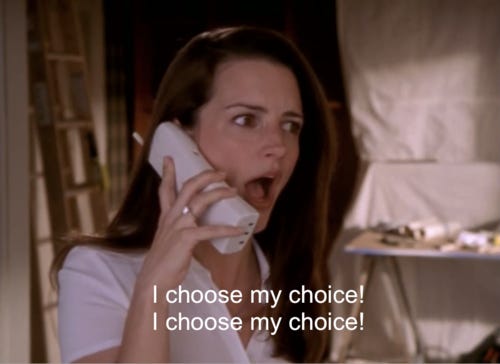
+ Taste is being treated as almost anti-trend, as a form of independent intelligence driven by the ability to accrue it. It implies that it is uniquely formed, when it is not.
+ “(Trends) emerge when people materialize their taste” via Dejaih Smith. Which is to say: taste isn't the opposite of trend, it is its very make-up. Taste does not exist in siloes.
+ I understand why there is aversion to trends, or to being part of a mainstream culture that churns them out. But trends cannot be a separate entity to community or communal culture in general, which many are seeking. Taste in its most romanticized form, artfully accrued over time, discerned against slop, for the sensual palate of Me, is doomed. The individual who prioritizes individual taste over a movement that brings us together in a place and time misses what trends actually do. To be tagged as a buyer (glass half full) or a victim (glass half empty) of trend is the tax we pay to exist in a society. Aren’t taste communities subcultures by another name? The very thing that moves needles in our collective-mass-pop.
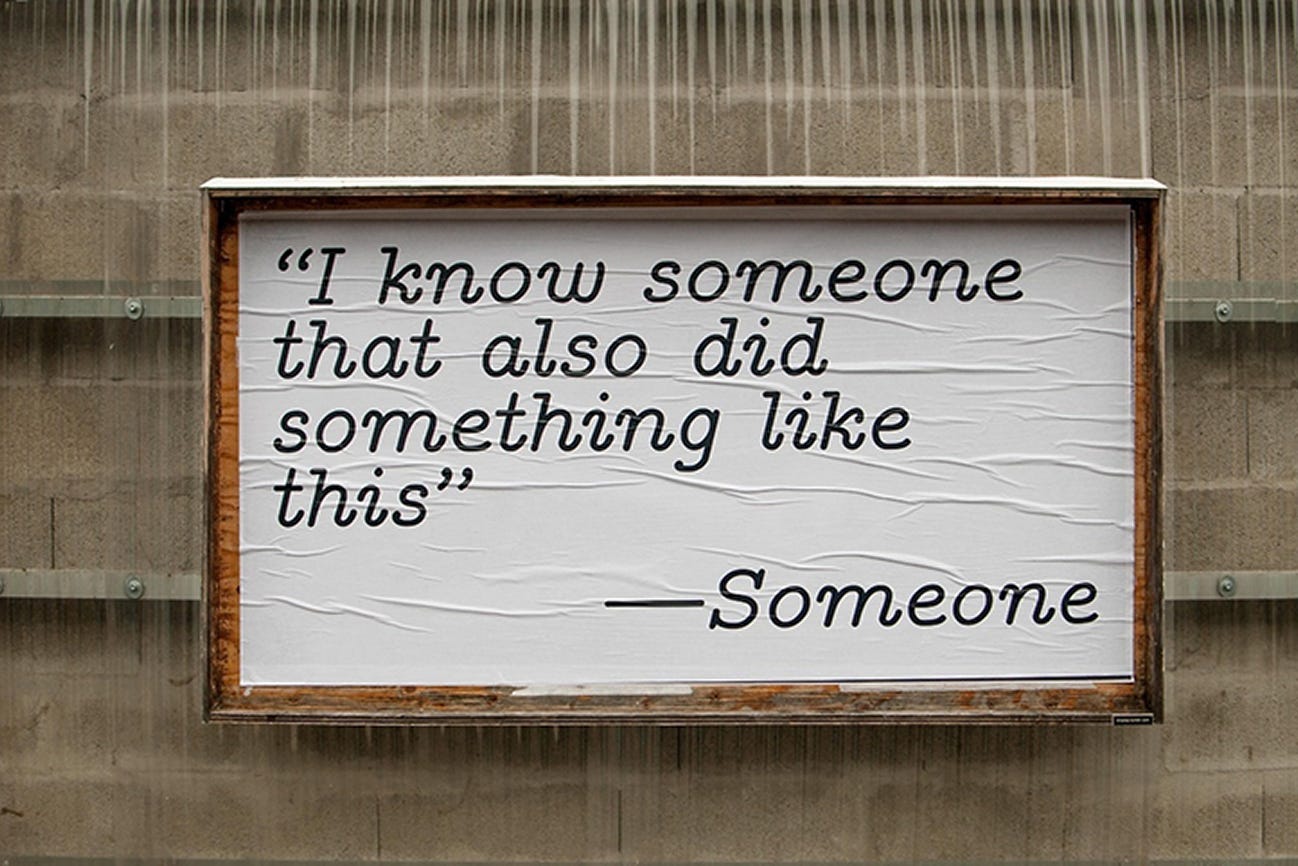
+ My main concern around Tasteslop - as important as it is to call it out - is that next-gen creatives, who already don’t dance out of fear of being filmed, might be deterred from sharing creative ideas out of fear of being accused of sloptimization, and the like. As digital natives working within the tools they are given, or expected to use, they are torn between two truths of the creative economy. You can't be creative or express creativity without tech (unless you are very, very privileged). And you can't scale or win investment, from investors, directors, managers and owners etc. without A.I. as a point of integration, or at the very least, conversation.
+ You write to communicate, you seek data to prove your point, you use A.I. to test your ideas or align with your stakeholders, and you must articulate your taste for your personal brand – though it might be the death of creativity itself, as shared in this Working Theories with Letty Cole.
+ I don’t need to get into taste talk too much. I dabbled with The Unnecessary Pressure of ‘Taste’ Forecasting last year, and a quick search will result in plenty of essays that dissect the current cultural attention to taste mass hysteria. What I do want to sit with is: can the use of taste in trend and culture talk be replaced with style? design? credibility? craft? knowledge? interests? I think yes.
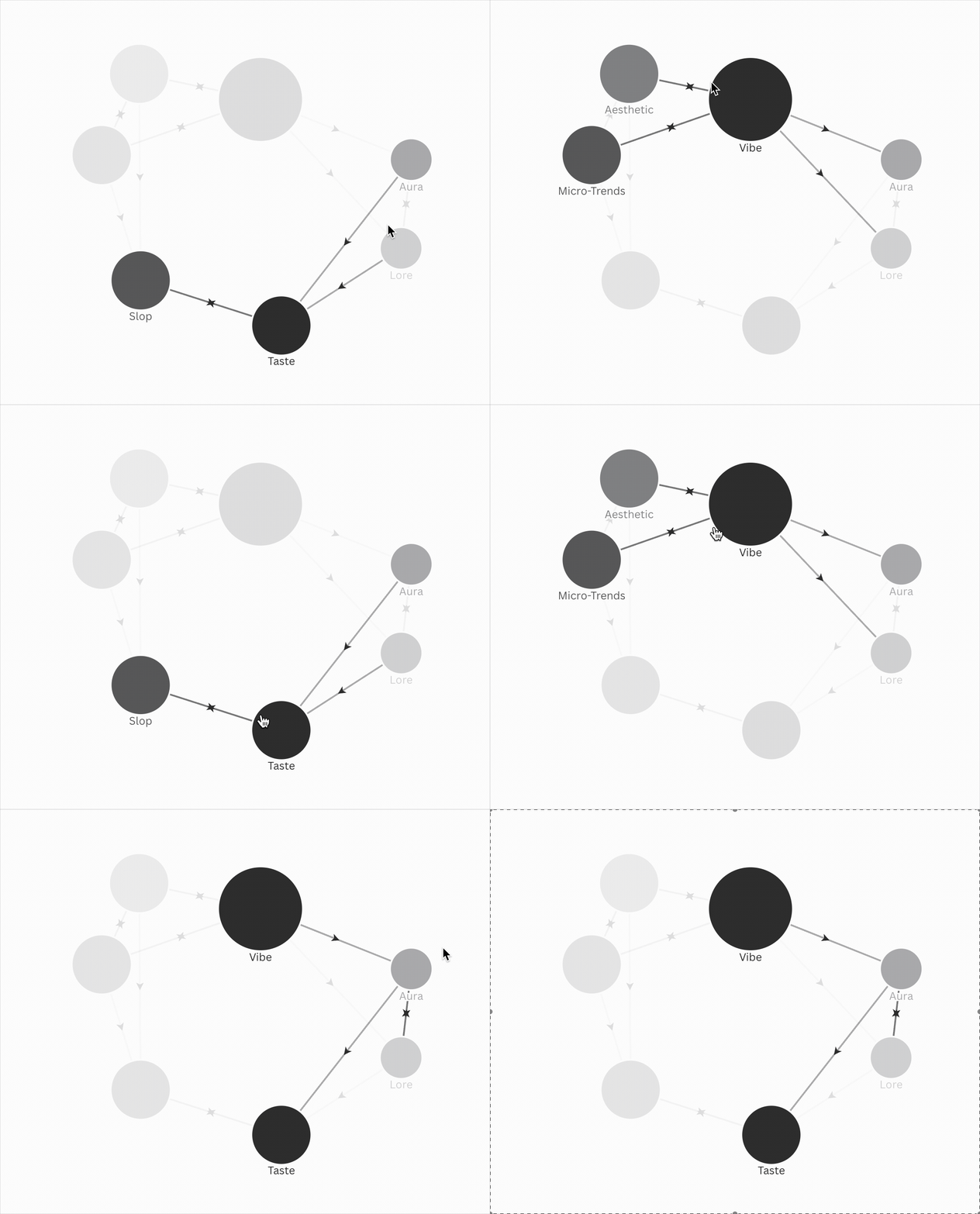
+ 'Taste' has become so over-used that it acts as a default word for all things design, creative, style and more. It functions as a catch-all in the same way vibe (of vibe shift), aura and lore have. It could mean everything or nothing. As Matt Klein put it, they are 'words used as content,' or cue, over any significant meaning.
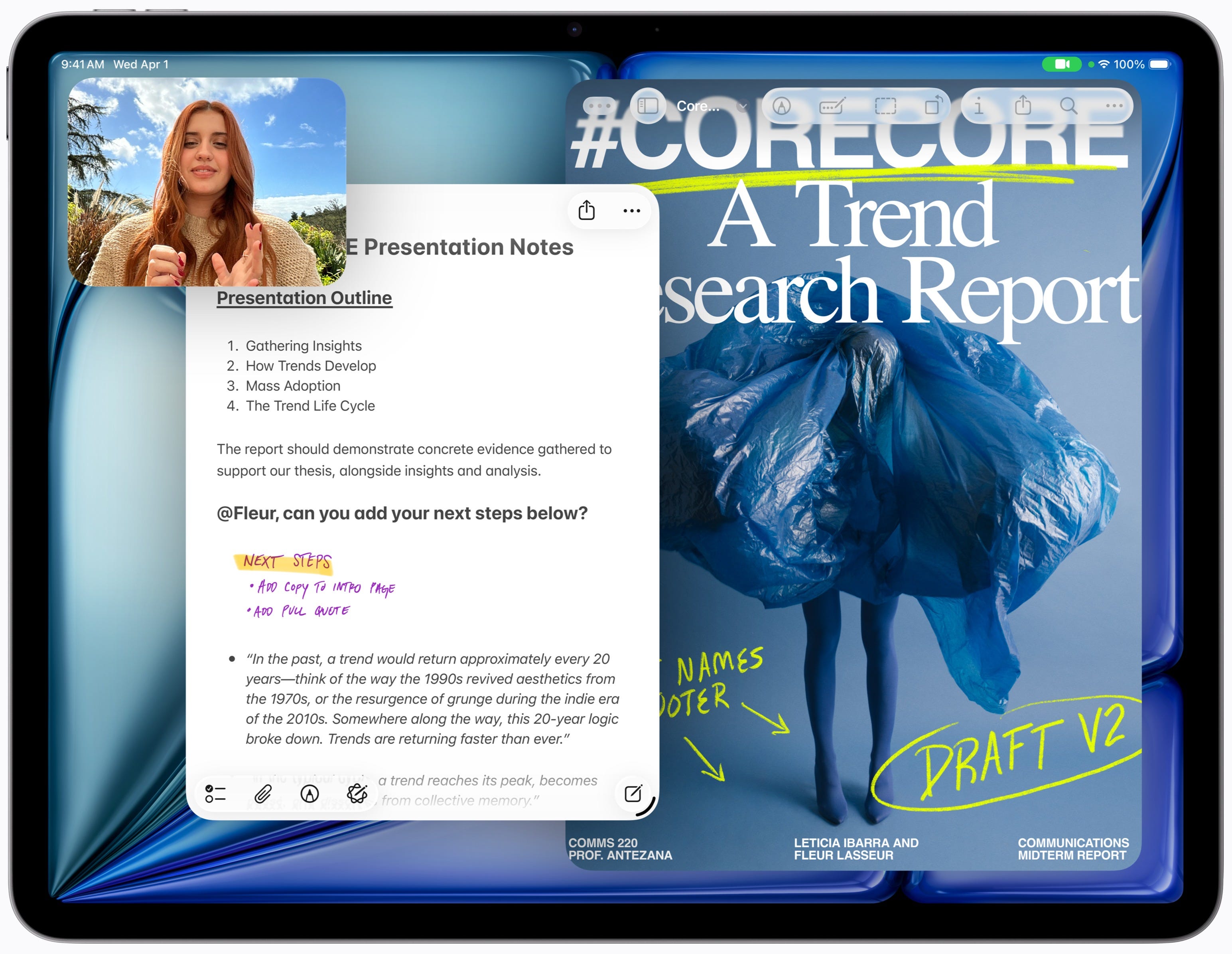
+ Ultimately, just because we can make it doesn't mean we should. In trend forecasting, where an idea can start from a historical reference or something as fleeting as a viral meme, the work has shifted. It's the creative concepts that make up the trend that matter now, not the trend message or movement itself. The forecaster's job is originality out of noise, not just predicting the probable.
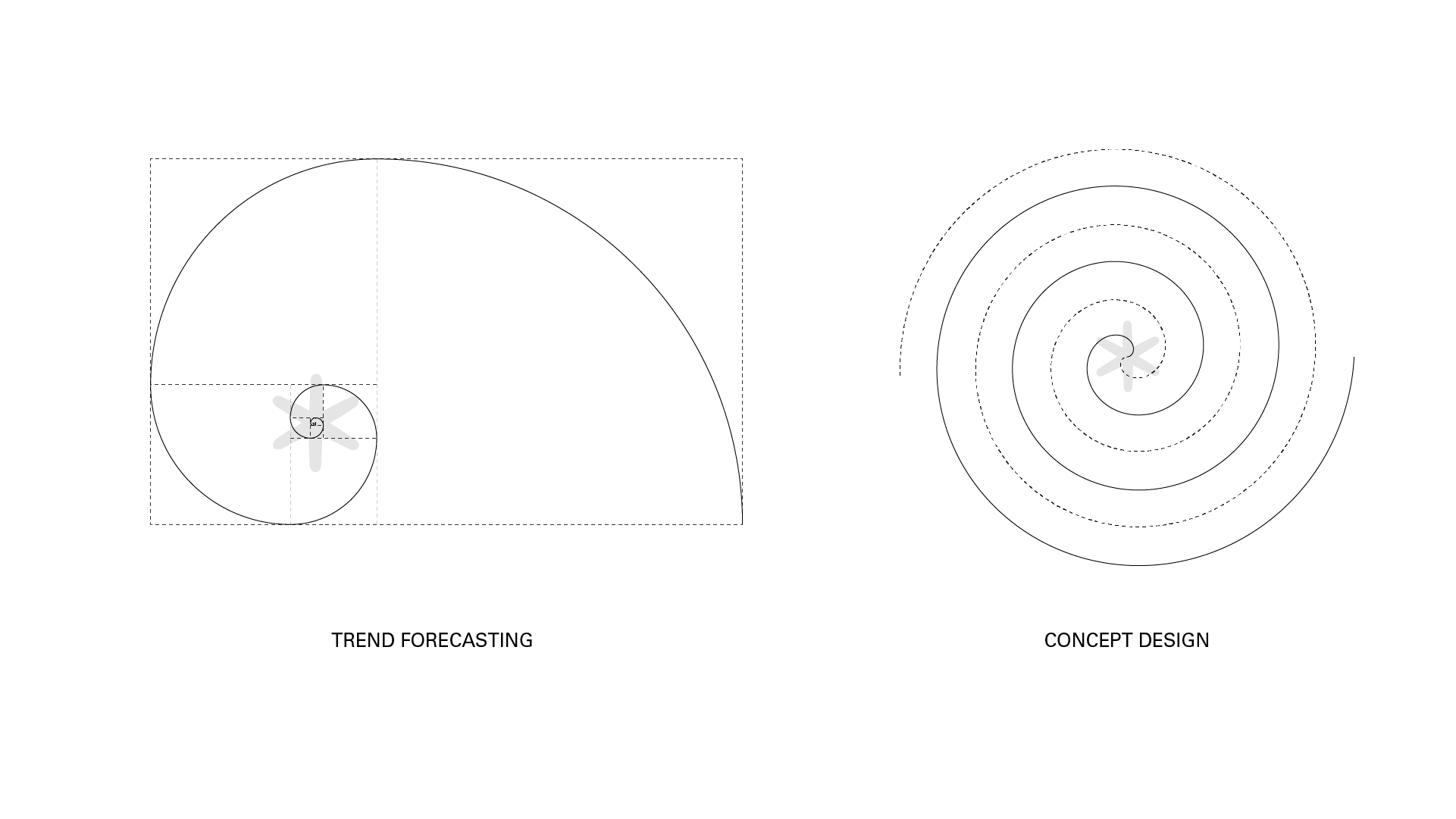
+ I touched on the state of trend work in my The Thing About Trend Forecasting piece back in 2022/23, when I first tried to unpack the cultural interest in trend forecasting.
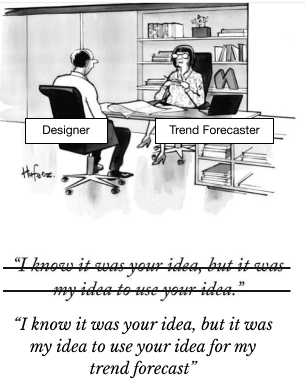
+ The role of the trend forecaster continues to broaden, and to be undermined, with DTC trend broadcasts fed on social media feeds and A.I. summaries scraped from mass reports and datasets. The forecaster must find a specialty within the specialty: a unique value proposition, a focal depth of insight.
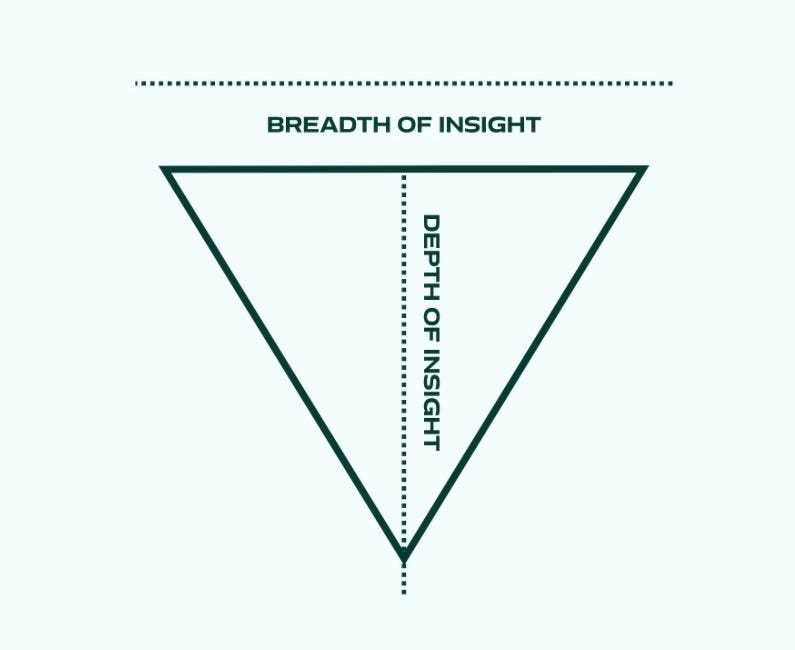
+ We are now figuring new ways to define trend work, not just to slow down the cycle of trends but to create era-defining originality. Trendscendence.
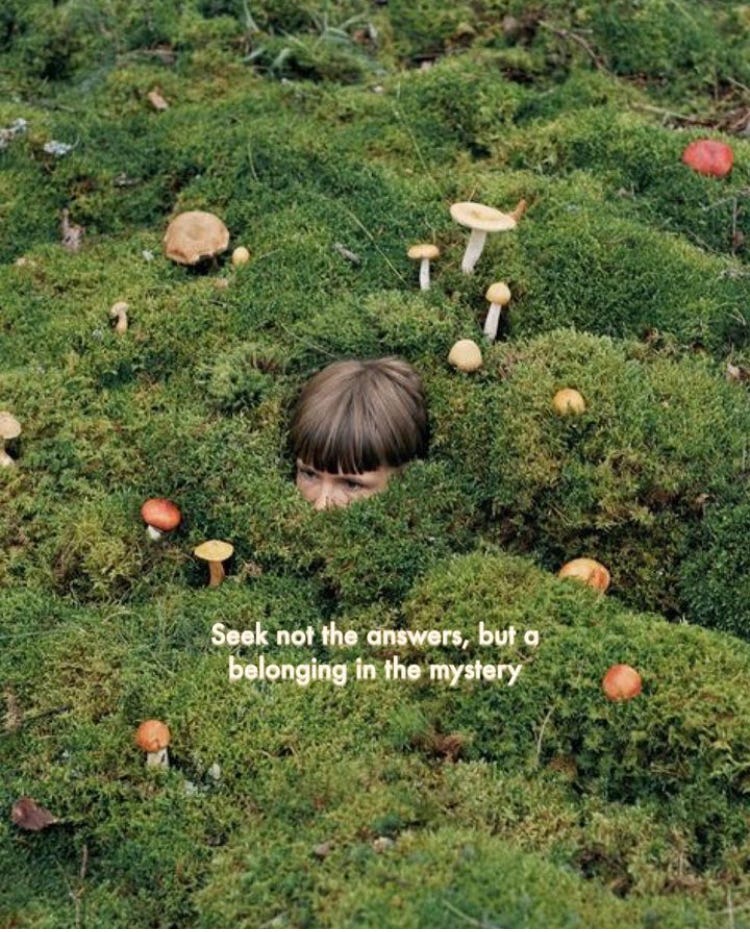
✳︎ Post-Modernity, After Authenticity, In These Tasteslop Times, is there only Trendscendence? Maybe. Or maybe trendscendence is just the discipline of staying with an idea long enough for it to mean something.
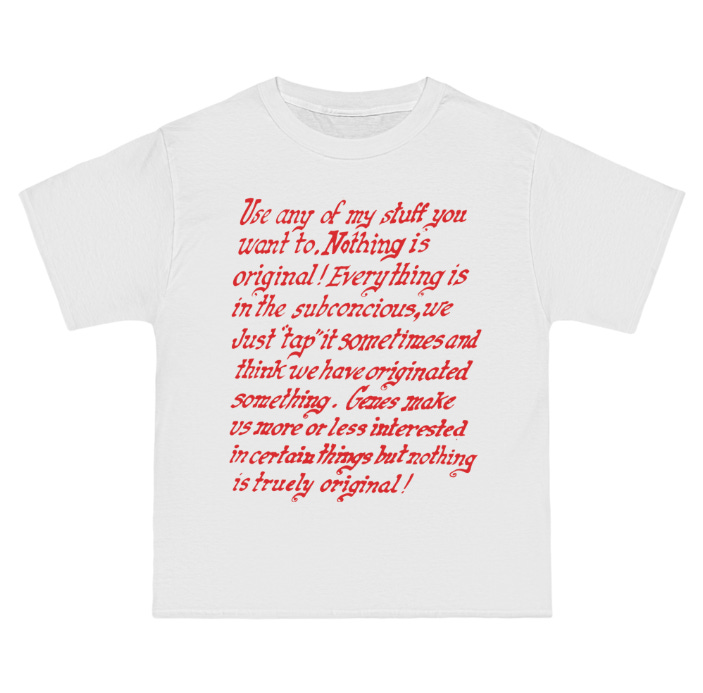
Just magic
Wait! I love this breakdown!!!